


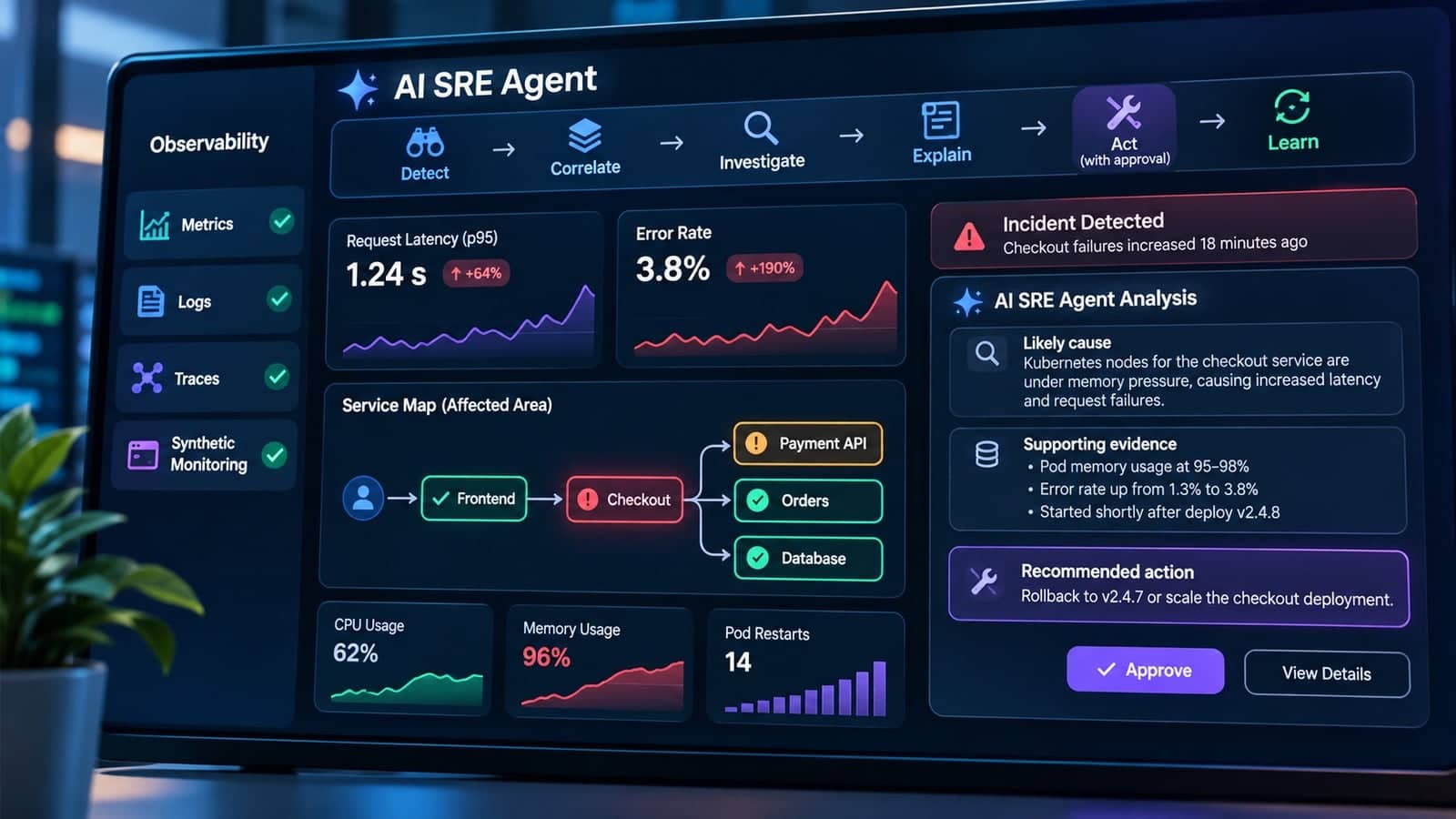
How AI SRE Agents Are Changing Observability and Incident Response
Modern systems fail in ways that dashboards were never designed to explain. A single checkout failure can trace back to a Kubernetes node under memory pressure, a slow third-party API, or a log line nobody was watching. Teams now run hundreds of services, thousands of containers and millions of telemetry events per minute. Humans can […]

PagerDuty Launches Autonomous SRE Agent Paige to Combat AI-Driven Outages
Facing an unprecedented wave of software failures driven by artificial intelligence (AI), cloud computing provider PagerDuty Inc. on Tuesday unveiled Paige, an autonomous Site Reliability Engineering (SRE) agent designed to diagnose and repair technical disruptions alongside human engineers. The announcement comes as enterprises confront a structural shift in enterprise IT. Software is increasingly written, tested, […]
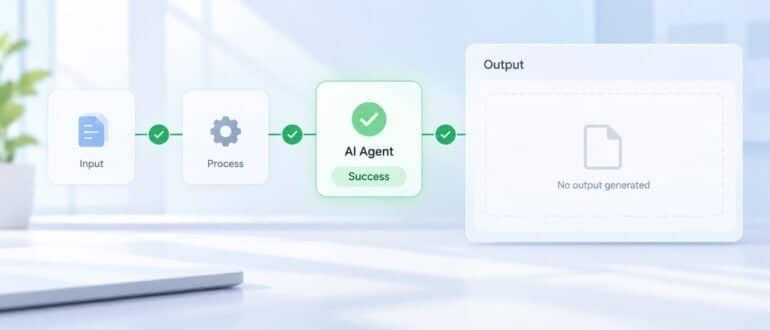
The Agent Failure Your Approval Gate Can’t Catch
An agent that does the wrong thing leaves evidence — a bad diff, a malformed record, a customer complaint. An agent that does nothing and reports success leaves a green checkmark, and green is the one signal your incident process is built to trust. Worry more about the second failure, because everything a DevOps team […]
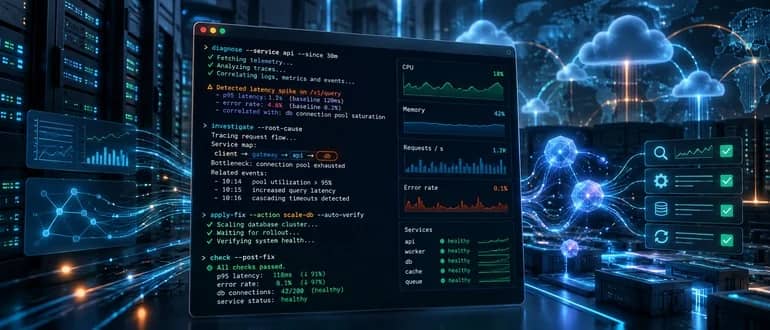
New Relic Debuts Command-Line Observability Tool for Developers and AI Agents
New Relic has unveiled Ground Truth CLI, a command-line tool that enables software developers and AI agents to analyze system performance and verify whether technical issues have been resolved without needing to use dashboards. The release reflects a big shift in enterprise IT as AI agents take on more advanced troubleshooting tasks. Traditional observability dashboards […]
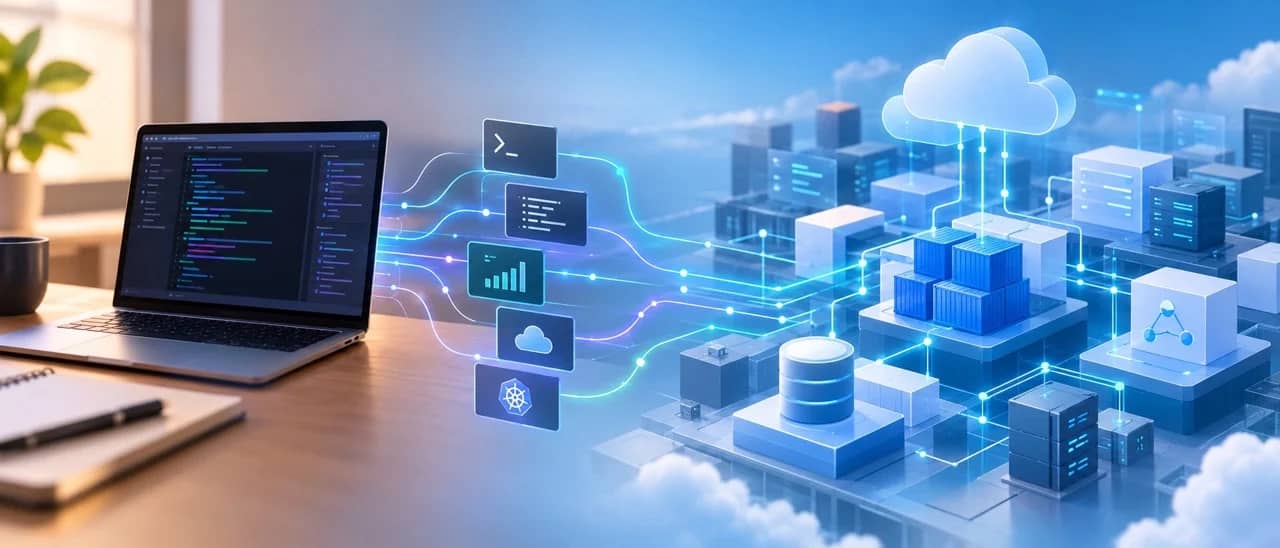
How to Move AI SRE Agents From Demo to Production
An AI agent that works on an engineer’s laptop can feel like a breakthrough. It can read logs, query observability tools, inspect cloud resources and connect a failed deployment to a bad configuration change in minutes. For a single investigation, under close human supervision, that is real progress. It is also the easy part. The […]

Why Reliability Guardrails Are Needed in Every AI Coding Pipeline
We’re in the middle of a reliability reckoning. Thanks to AI, companies are shipping code much faster than before. But if there’s anything to learn from the surge in high-profile outages over the last couple of years, it’s that with more code comes more reliability risks. And when those risks do lead to an outage, […]
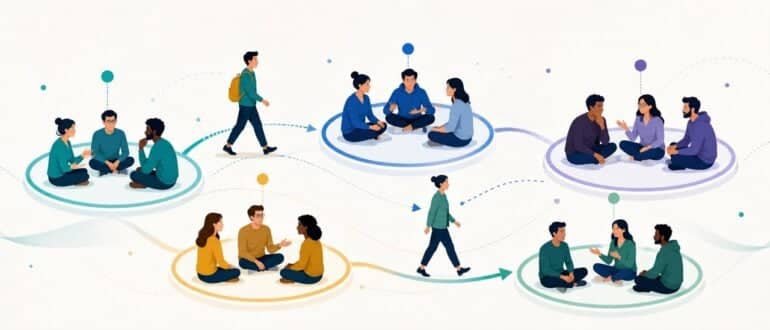
When the Structure Becomes the Culture
Why micro teams and rotation reshape culture, not just throughput, in modern SRE. Most SRE leaders design teams around the systems they own. We designed ours around movement. We introduced micro teams expecting a throughput story: smaller groups, tighter scope, faster work. Some of that arrived. What we had not budgeted for was how much […]
The End of Alert Fatigue: How AI-Powered Observability is Transforming SRE Teams in 2026
Alert fatigue among Site Reliability Engineering (SRE) teams has reached a breaking point, with responders drowning in thousands of weekly notifications where only 3% genuinely warrant attention. This massive volume of noise—driven by fragmented monitoring tools and rigid, threshold-based alerting—stifles innovation, spikes on-call burnout, and compromises system reliability. Fortunately, AI-powered observability and AIOps platforms are transforming incident management. By unifying telemetry across metrics, logs, and traces, intelligent systems can correlate signals, execute automated root cause analysis, and trigger self-healing remediation. This shift reduces alert volumes by up to 95% and slashes mean time to resolution (MTTR) by 40–58%, allowing engineers to pivot from reactive firefighting to proactive reliability engineering.
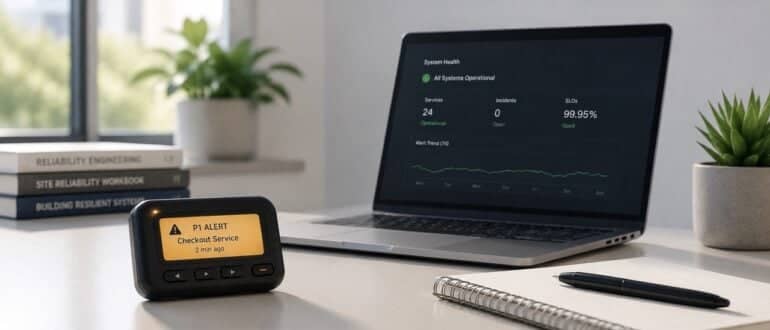
On-Call: The Silent Force Shaping Engineering Culture
There is a silent force shaping engineering culture inside every technology organization. It affects productivity, team morale, psychological safety, and long-term retention. And yet, it is rarely discussed in executive meetings or reflected in meaningful KPIs. That force is on-call. On-call is one of the most direct touchpoints engineers have with the reality of the […]
The Five Biggest Mistakes Organizations Make When Implementing SRE
From cargo-culting Google’s playbook to rushing AI-powered observability into production before the fundamentals are in place, here’s where SRE transformations quietly go wrong, and how to course-correct.
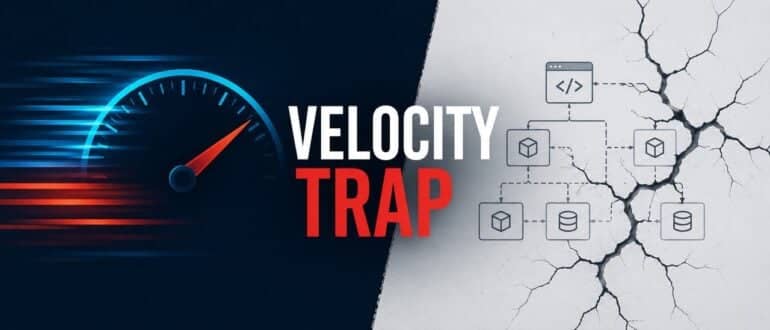
The Velocity Trap: Why Shipping Faster Is Making Systems Worse
There is a particular flavour of engineering dysfunction that looks, from the outside, like peak performance. Deployments are frequent. Sprint velocity is high. The feature backlog is shrinking. Leadership is pleased. And underneath all of it, the system is quietly rotting. Technical debt compounds with every rushed deployment. Observability gaps widen because nobody has time […]
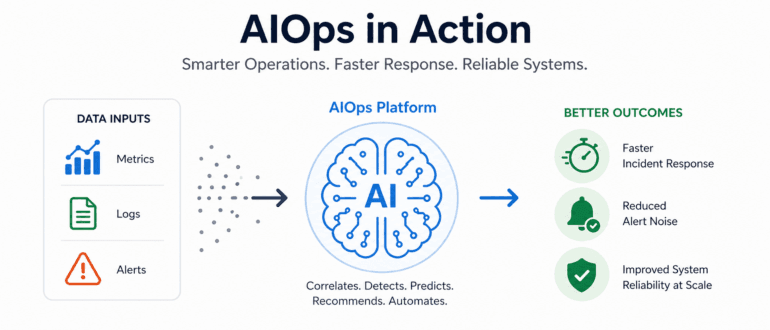
AIOps Isn’t Optional Anymore: What Modern DevOps Teams Must Adapt To
AIOps is becoming essential for DevOps teams, enabling faster incident response, less alert noise and improved reliability at scale.

VibeCode Meets DevOps: Accelerating Low-Code Innovation
AI-assisted low-code tools like VibeCode speed app development, but DevOps teams must ensure security, quality and CI/CD integration.
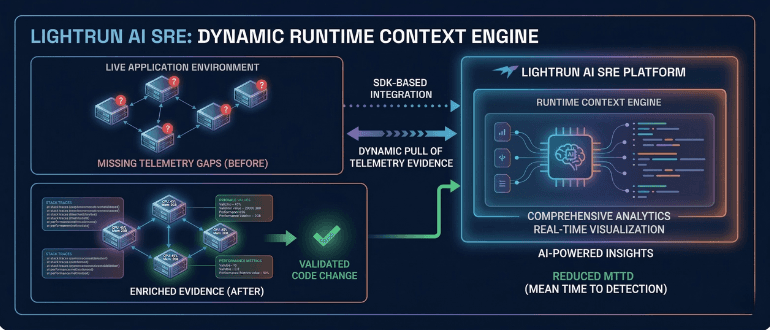
Lightrun Adds Ability to Dynamically Pull Telemetry Data from Live Apps
Lightrun has added an ability to dynamically pull missing telemetry evidence from live application environments without having to deploy additional instrumentation to its namesake site reliability engineering (SRE) platform that is based on artificial intelligence (AI). Company CEO Ilan Peleg said the Lightrun AI SRE platform includes a sandbox deployed via a software development kit […]
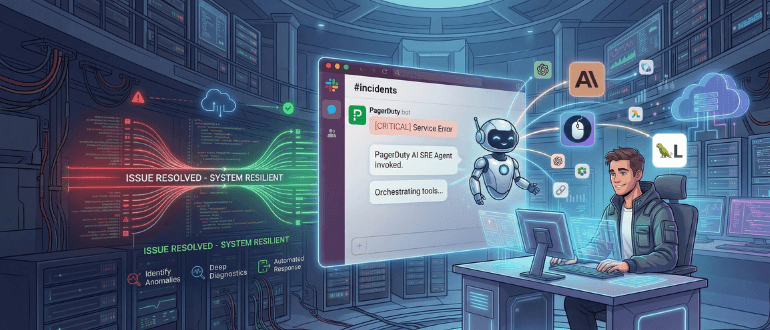
PagerDuty Extends Scope and Reach of AI SRE Platform
PagerDuty has extended the capabilities and reach of its artificial intelligence (AI) agents to enable them to be invoked directly from within the Slack messaging platform. Additionally, the AI SRE Agent that is embedded within the PagerDuty Operations Cloud platform can now also leverage the Model Context Protocol (MCP) and an expanded library of application […]
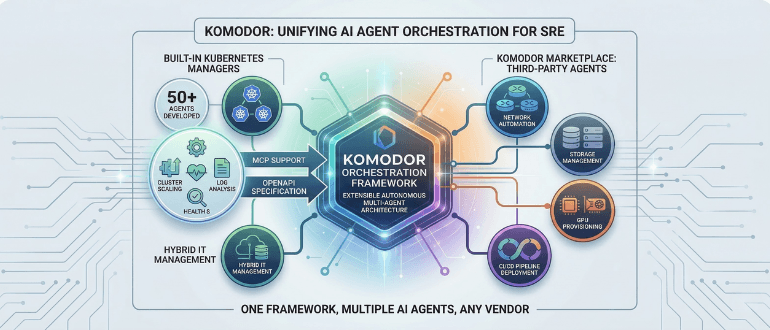
Komodor Extends Reach of AI SRE Orchestration Framework
Komodor today extended the reach of its orchestration framework for artificial intelligence (AI) agents by adding support for Model Context Protocol (MCP) servers and the OpenAPI specification. Company CTO Itiel Shwartz said those capabilities will make it possible for IT teams to more broadly orchestrate AI agents that are being used to investigate and remediate […]

How We Got Here: Alert Fatigue to Decision Fatigue
AI and observability reduced alert fatigue, but decision fatigue remains. Decision architecture helps DevOps teams scale operational judgment.

On-Call Rotation Best Practices: Reducing Burnout and Improving Response
Practical SRE on‑call guide covering rotation models, alert hygiene, runbooks, metrics, compensation, shadowing, and automation to cut pager load and prevent engineer burnout.
Why Up to 70% of SRE Initiatives Stall Before They Scale — and How to Break the Plateau
Many SRE initiatives stall because organizations adopt the title without the principles. True SRE success requires leadership vision, cultural change, shared KPIs and continuous maturity measurement—not tools alone.
From Cloud to Cognitive Infrastructure: How AI is Redefining the Next Frontier of SRE
As organizations embrace artificial intelligence (AI) workloads alongside traditional cloud systems, site reliability engineering (SRE) must evolve to manage an entirely new class of infrastructure — intelligent, hybrid and graphics processing unit (GPU)-driven. Infrastructure has transformed dramatically over the past two decades. We began with physical servers in local data centers, then virtualization improved efficiency […]
Ciroos.AI Preps AI SRE Agents Trained to Automate Incident Management
Ciroos.AI this week emerged from stealth to provide early access to a set of artificial intelligence (AI) agents that have been trained to augment site reliability engineers (SREs). Fresh off raising $21 million in additional funding, Ciroos.AI CEO Ronak Desai said the SRE Teammate provides access to multiple extensible AI agents that have been trained […]
Unlocking Accountability: How Real-Time App Monitoring Empowers Engineering Teams
Real-time app monitoring is about fundamentally shifting your mindset toward a culture of accountability and continuous improvement.

Best of 2023: Microservices Sucks — Amazon Goes Back to Basics
In this week’s #TheLongView: Amazon Prime Video has ditched its use of microservices-cum-serverless, reverting to a traditional, monolithic architecture. It vastly improved the workload’s cost and scalability.